
Orders $35+ ship free in the continental USA

Find anything you need

Log in Register View cart
Home Aquarium Products
Aquarium Filter Pads
Filter Socks
Mesh Media Bags
Biological Media
Water Treatment
Cleaning Supplies
Pond Products
Pond Filter Pads
Fine Filter Pad
Coarse Filter Pad
2" Coarse Filter Pad
Biological Media
Water Treatment
Mesh Media Bags
Value Packs
Aquarium Bundles
Pond Bundles
Shop All Products More
About Us
Gift Cards
Books
Why Buy From us
Videos Resources
Cleaning instructions
Learning Center
Filter Diagrams
Dosage Charts & Safety Data Sheets
FAQs
Blogs
Contact Us Become a Partner
Become an Affiliate
Shopify Collective
Log in Register

Item added to cart!

%title% %variant%

You have %itemCount% in your cart.Total being %total%

View cart Checkout

How to Lower Nitrate in an Aquarium
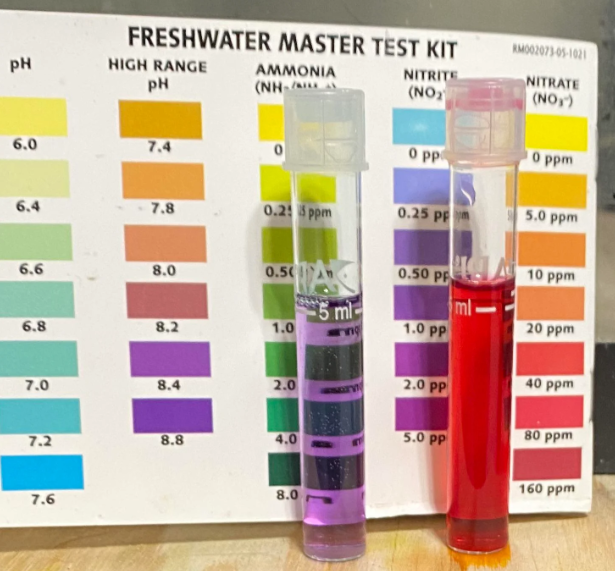
There are several ways to lower nitrate levels in both freshwater and saltwater aquariums. Some effective methods include using reverse osmosis (RO) water, refugiums, nitrate-reducing resins, specialized filter media or pellets, vodka dosing, and chemical treatments. Many of these approaches are beneficial, particularly RO water, which is naturally low in nitrates. Assuming your aquarium has good filtration—including a protein skimmer for saltwater setups—and you perform regular partial water changes while vacuuming out detritus, here is a simple method to reduce nitrates quickly.


If the aquarium contains a significant amount of uneaten food, waste, or other detritus, a large water change with thorough vacuuming is recommended. Typically, a large water change consists of replacing at least 50% of the water volume with fresh, low-nitrate water at the same temperature and salinity, along with appropriate water conditioners. If the substrate has not been vacuumed in months, it is best to deeply clean only a small section while lightly vacuuming the surface of the remaining substrate to prevent disrupting beneficial bacteria colonies.


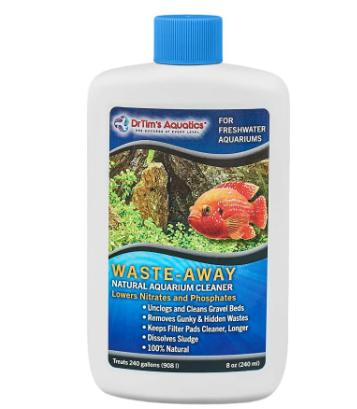
After the water change, add Dr. Tim's Aquatics Waste-Away Natural Aquarium Cleaner—a unique product that contains live cultured bacteria rather than chemical additives. These lab-grown bacteria were specifically selected for their ability to break down organic waste and sludge, making them ideal for reducing nitrates in freshwater, saltwater, fish-only, and reef aquariums. Because Waste-Away consists of live bacteria, it is packaged separately for freshwater, saltwater, reef, and nano aquariums to ensure optimal performance.


Waste-Away can be added regularly or as needed since nitrates naturally accumulate in an aquarium through the breakdown of uneaten food, fish waste, and other organic matter. When used consistently, it helps maintain cleaner water for longer periods, improving overall aquarium health and stability.

Shop Our Product Collection

Free USA Shipping

Easy Returns

Customer Support

Dependable Products For All Types Of Aquariums and Ponds

Join the CLUB for new videos, discount codes, and more!

Join The Club for A 15% OFF Coupon

Aquatic Experts provides simple solutions, tested products, and expert information to aid aquarium and pond hobbyists in creating exceptionally beautiful, healthy aquariums and ponds.

HOME RESOURCES ABOUT US SHIPPING & RETURNS
WHY BUY FROM US CONTACT US TERMS OF USE PRIVACY POLICY
Sign Up for Our Newsletter
Follow us
American Express Mastercard Visa Discover PayPal

This site requires cookies in order to provide all of its functionality.

    Double click on a word to see the definition.